Choose timezone
Your profile timezone:
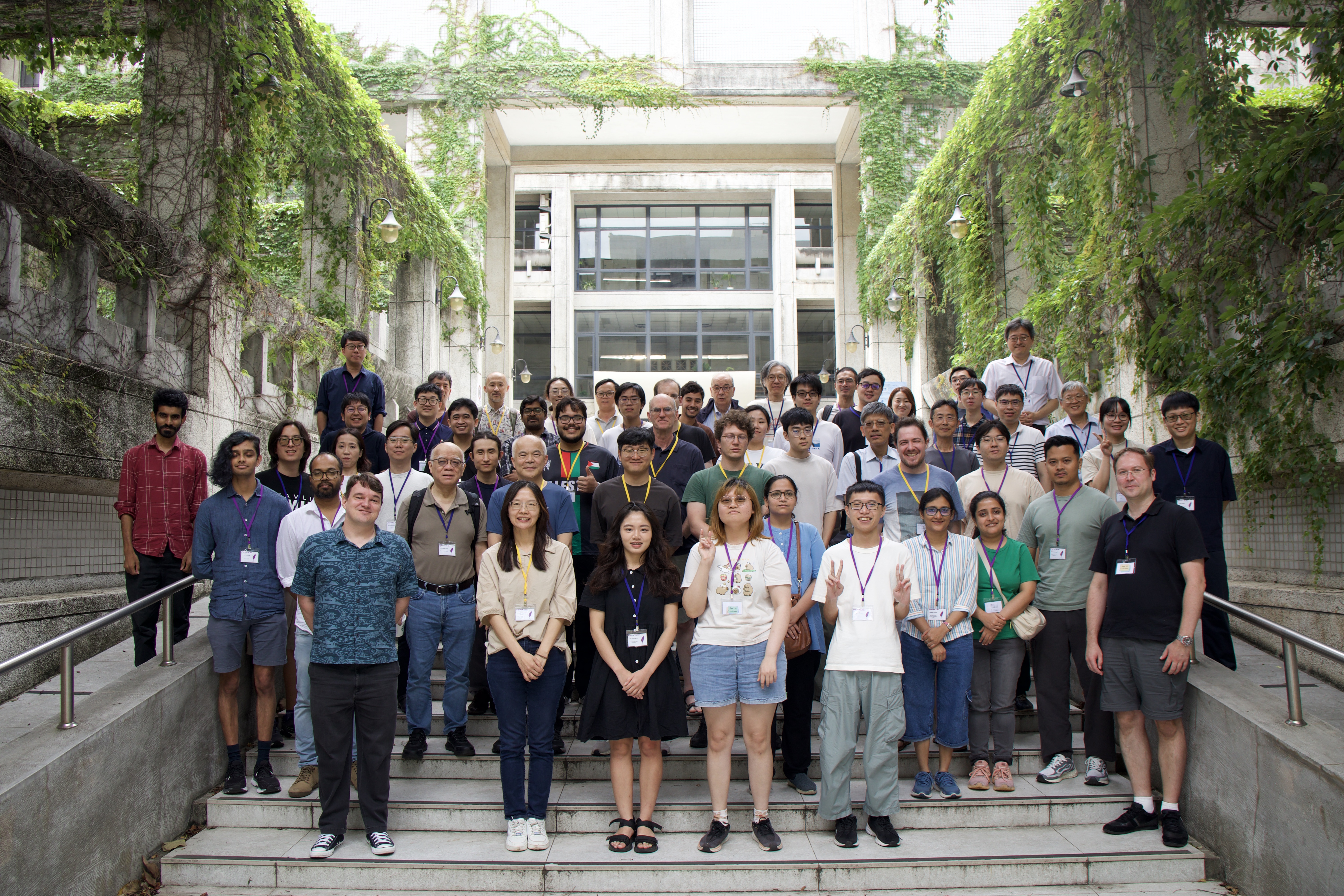
The Particle Physics Phenomenology (PPP) Workshop is a biennial meeting with a rich history dating back to 1992 (skipping only a few times due to incidents such as SARS and COVID), one of the most important gatherings in the particle physics community in Taiwan. The workshop serves as a vital platform for foreign and domestic scholars working on particle physics experiments and theories to share the latest experimental results and developments in various models or theoretical frameworks. It features comprehensive lectures on topics of current interest to the community, as well as shorter presentations on more specific applications. It aims to inspire innovative ideas and help form new collaborations among the participants.
On this 16th edition we will have lectures and talks on
The 16th Particle Physics Phenomenology Workshop (PPP16) will be held at National Tsing Hua University (NTHU) from June 15 to 18, 2026. NTHU is located in Hsinchu, the silicon valley of Taiwan. The nearest international airport is Taoyuan International Airport (TPE).
We cordially welcome your participation and contributions!
We gratefully acknowledge financial support from NCTS (TG2.1 & TG2.4), the Department of Physics of NTHU and the Office of Research and Development, NTHU.
In this talk I will motivate the vibrant BSM program in neutrino experiments, from a broad perspective. As examples, I will present two very distinct BSM scenarios that could lead to interesting signatures: ultralight dark matter coupled to neutrinos, and compositeness as the source of neutrino mass.
Measuring the leptonic CP phase $\delta_{CP}$ and resolving the
$\theta_{23}$ octant are primary objectives of DUNE and T2HK.
We show that two distinct effects can compromise the reliability of
these measurements. First, the poorly constrained $\nu_e$ and
$\bar{\nu}_e$ cross sections allow energy-dependent distortions that
partially mimic the $\delta_{CP}$-dependent spectral modulation,
reducing DUNE's CP-violation sensitivity by up to $\sim\!3\sigma$.
We demonstrate that the proposed $\nu$SCOPE facility at CERN can
recover this loss through percent-level measurements of
$\sigma_{\nu_\mu}$ and the $\sigma_{\nu_e}/\sigma_{\nu_\mu}$ ratio.
Second, complex non-standard interactions (NSI) in propagation ---
motivated by the current $\sim\!2\sigma$ NOvA--T2K tension --- induce
correlated biases in $\delta_{CP}$ and the $\theta_{23}$ octant when
DUNE data are interpreted under the standard three-flavor hypothesis.
Since T2HK is largely insensitive to these propagation effects, a
$\sim\!3\sigma$ discrepancy between the two experiments would
constitute a clear diagnostic of BSM physics. These results highlight
that both external cross-section constraints and baseline
complementarity are essential to ensure a robust and unbiased
determination of the oscillation parameters in the precision era.
ABSTRACT
Black holes pose sharp consistency questions at the interface of gravity, quantum
mechanics, and thermodynamics. It is widely believed that resolving problems such
as providing a microscopic account of Bekenstein–Hawking entropy, understanding
the origin of black hole thermodynamics, and resolving the information paradox
posed by Hawking radiation will provide valuable insights to the construction of the
theory of quantum gravity.
In this talk, I discuss a recent proposal [1,2] of a quantum mechanics of quantized
space as a model of quantum black hole and quantum gravity in 4-dimensions. Our
construction was motivated by the bottom-up approach [3,4]. As a system of
quantum bits of quantum space, our model reproduces not only the needed
macroscopic properties of the Schwarzschild black hole [1] and the rotating Kerr
black hole [2], it also provides a microscopic counting of the Bekenstein-Hawking
entropy of black hole [1,2] and explains the origin of Hawking radiation in terms of a
tunneling process of emission of monopole in the quantum mechanics [5].
As application, I discuss how the well-known membrane paradigm of black hole is
modified by quantum gravity effects [6]. In classical general relativity, the black hole
membrane is an electrical conductor with a constant vacuum resistivity. We identify
new quantum gravity effects and show that the quantum black hole membrane has
also a frequency dependent inductance and a chiral Hall conductance. Possible phenonenology will be discussed.
This talk will explore how gravitational-wave interferometers can serve as powerful probes of new physics across vastly different mass scales. I will first show that data from the LIGO-Virgo-KAGRA Collaboration can help resolve a long-standing puzzle: whether the GeV gamma-ray excess at the Galactic Center originates from annihilating weakly interacting massive particles or from a population of millisecond pulsars. Turning to lighter dark matter candidates, I will then demonstrate how the same gravitational-wave detectors enable the direct detection of ultralight bosons, including dark photons, axions, and dilatons. Together, these methods illustrate how gravitational wave experiments can be repurposed as powerful discovery tools for new physics.
Neutrinos are the most amasing and interesting among the elementary particles. Neutrino physics is a vast field of research with beautiful physics and many still unanswered fundamental questions. This lecture is intended as an Introduction to Neutrino Physics. We begin by discussing briefly the history of the neutrino. The natural sources of neutrinos - the Sun, the Earth atmosphere, the Earth itself, the supernovae and the Early Universe, are briefly considered next.
The discovery of neutrino oscillations and the experiments which contributed to this discovery are reviewed. The theory of neutrino oscillations in vacuum, as well as the experimental proofs of oscillations, are presented next. The parameters which characterise 3-neutrino mixing and oscillations are reviewed. The matter effects in neutrino oscillations, with examples of the cases of oscillations of neutrino traversing the Earth and taking place in the Sun, are considered.
A discussion of the nature - Dirac or Majorana - of massive neutrino follows. CP violation in neutrino oscillations are briefly considered. The current data on the 3-neutrino mixing parameters, as well as, on the neutrino mass scale (the lightest neutrino mass) are reviewed. The possible manifestations of New Physics associated with the existence of non-zero neutrino masses and neutrino mixing are briefly discussed. The program of future research in Neutrino Physics extends beyond 2040. The goals of this program and some of the experiments aiming to achieve these goals, are also briefly reviewed.
We investigate the sensitivity to the Higgs trilinear coupling (κ_λ) through di-Higgs production via vector-boson fusion (VBF) at a multi-TeV muon collider. A primary advantage of the muon collider environment is the significantly suppressed QCD background compared to hadron colliders, which provides a remarkably clean experimental signature for probing electroweak processes. We perform a detailed analysis using a dedicated simulation chain, examining the variations in both the production rate and kinematic distributions as a function of κ_λ. We employ advanced machine learning techniques to optimize signal-background separation and enhance the sensitivity to the Higgs potential. We estimate the expected precision on κ_λ. Our results highlight the unique potential of high-energy muon colliders for precision Higgs measurements in the VBF sector.
A variety of theoretical frameworks predict the existence of spin dependent interactions beyond the Standard Model, such as dark matter and spin gravity coupling. Spin based quantum sensors, which leverage quantum coherence and precision control of quantum spins, provide an exceptionally powerful platform for probing such exotic interactions. In this talk, I will introduce our recently developed ultra sensitive atomic magnetometers based on spin amplification, which achieve magnetic field sensitivities at the femtotesla (fT) level. Unlike conventional Spin Exchange Relaxation Free (SERF) magnetometers, our approach does not require a zero field environment, and further offers significantly better energy resolution by using nuclear spins as the sensing system. Based on these advances, we have launched the SAPPHIRE (Spin Amplifier for Particle Physics Research) project, dedicated to resonant searches for exotic spin dependent interactions. Our latest experimental results have established new stringent constraints on axion like dark matter and exotic spin dependent forces, surpassing limits from previous astrophysical observations. In addition, we have successfully built a GPS-synchronized network of spin based quantum sensors across multiple cities. This distributed quantum sensor network opens new opportunities for exploring large scale structures and phenomena, ranging from dark matter detection and high precision geomagnetic monitoring to future space based applications.
In this talk, I will present the role of interferometer in the frontier research, starting from disproving the existence of absolute reference frame to the discovery of gravitational wave. I will further discuss the potentials to probe new physics using both laser interferometers and matter interferometers.
Many emerging experiments in quantum science and fundamental physics require "quantum eyes" that can sense extremely weak optical signals with high fidelity. In this talk, superconducting nanowire–based photon detectors operating in a dual calorimetric mode will be introduced, enabling both sensitive single‑photon detection and energy‑ or photon‑number–discriminating responses within the same device concept. I will outline how these detectors can be tuned between a standard Geiger mode and a calorimetric mode with photon‑number and energy sensitivity, and briefly describe the cryogenic platform at National Taiwan University that we are building for system characterization and future quantum experiments. I will also sketch how such detectors can support a broad range of applications, from quantum optics and quantum communication to precision measurements and searches for new physics.
Do astrophysical sources produce TeV–PeV range neutrinos? Yes! I provide an introductory overview of neutrino production, neutrino propagation, and neutrino detection, then review key results.
Recently, the CMS and ATLAS collaborations have reported a ttbar resonance excess near the ttbar threshold with above 5 sigma deviation from the SM pQCD prediction. This excess may be interpreted as a new pseudoscalar particle interacting with the top quark. Alternatively, it can be explained within the SM framework through toponium production—the bound state of a top quark pair, which can enhance the ttbar production cross section near the threshold. In this talk, I will discuss a combined scenario in which both a BSM particle and toponium production exist simultaneously, as would naturally occur if new physics couples to top quarks. In this case, not only does the pure BSM signal contribute to ttbar production, but the interference between the BSM particle and the SM also becomes very important. In particular, the interference can enhance or reduce the total cross section depending on the mass of the BSM particle. I will present how the interference modifies the total cross section and toponium line shape, and demonstrate its significant impact on constraining or reopening the BSM parameter space.
We discuss the discovery prospects for a second Higgs doublet through the decay channels $A \to ZH$ and $H^+ \to W^+ H$. These decays are particularly relevant in two Higgs doublet models (2HDM) scenarios featuring a strong first-order electroweak phase transition, a necessary condition for successful electroweak baryogenesis. Within the general 2HDM, which allows flavor-changing neutral Higgs couplings, the scalar $H$ may decay dominantly via $t\bar c$ final state. We find that $A \to ZH$ and $H^+ \to W^+ H$ in the $\ell^+\ell^- t\bar c$ and $\ell^+\nu t\bar c$ final states provide a promising experimental avenue that complements existing searches for neutral and charged Higgs bosons at the LHC. The observation of such signatures would point to a very different 2HDM and may shed light on the mechanism behind the baryon asymmetry of the Universe.
The existing data on neutrino masses and neutrino mixing will be reviewed. The main goals of future research in neutrino physics will be summarised. The lepton flavour problem will be revisited. The non-Abelian discrete symmetry approach to the problem of understanding the origin of the observed pattern of neutrino mixing and of leptonic CP-violation will be discussed in detail. The possibility to test this approach using the data from JUNO, DUNE and T2HK (Tokai to Hyper-Kamiokande) experiments will also be analysed. We will conclude with comments on the future of neutrino physics.
Recent years have seen active discussion of new approaches to detecting wave-like dark matter using quantum sensors. In this talk, I will present several proposals employing quantum sensors, such as superconducting qubits and Rydberg atoms, for dark matter detection. I will also discuss the potential of entangled states to enhance signal sensitivity and suppress noise.
We present first-principles lattice studies of dense QCD-like theories, focusing on two-color QCD where the sign problem is absent. I will discuss results on the phase structure, the equation of state, and hadron spectroscopy at finite density.
For decades, deuteron-based experiments established a canonical SU(2) flavor asymmetry in the proton’s light sea, with more $\bar{d}$ than $\bar{u}$ antiquarks, interpreted as a non-perturbative signature. However, these results rely on nuclear assumptions and isospin symmetry. Here, we analyze pure proton collision data from the Fermilab Tevatron and CERN LHC using measurements of Drell–Yan forward–backward asymmetries, free of nuclear corrections. We find that the proton’s $\bar{d}/\bar{u}$ ratio is consistent with unity at $x\sim 0.1$, contradicting the long-standing asymmetry mentioned above. This suggests a symmetric, perturbative origin for light sea antiquarks, implying the deuteron anomaly arises from high-energy nuclear effects rather than intrinsic proton asymmetry. Implications for proton structure and global PDF analyses are also discussed.
Ultra-relativistic heavy-ion collisions at the Large Hadron Collider (LHC) create a deconfined state of strongly interacting matter known as the quark–gluon plasma (QGP). One of the main questions in high-energy nuclear physics is how colored quarks and gluons emerging from the QGP evolve into the hadrons and nuclear bound states observed in the final stage of the collision. In this context, both heavy-flavor hadrons and light nuclei provide unique and complementary probes of the hadronization process in QCD matter. In this talk, recent LHC results on heavy flavor and light nuclei production in pp, p–Pb, and Pb–Pb collisions will be reviewed from the perspective of hadronization in strongly interacting QCD matter. Connections between quark coalescence, collective expansion, and the emergence of bound states will be discussed, together with future prospects enabled by detector upgrades and the upcoming ALICE 3 experiment at the LHC.
Can we drive progress in this field? Yes! I provide an overview of how to make better measurements, how we can use these to better understand astrophysics and particle physics, and how these opportunities fit in a broader framework of neutrino science.
Fifteen years of the Fermi Large Area Telescope (LAT) data in the halo region of the Milky Way (MW) are analyzed to search for gamma rays from dark matter annihilation. Gamma-ray maps within the region of interest (|l| < 60 deg, 10 deg < |b| < 60 deg) are modeled using known components plus a halo-like component. A statistically significant halo-like excess is found with a spectral peak around 20 GeV, and examination of the fit residual maps indicates that a spherically symmetric halo component fits the map data well. The radial profile agrees with annihilation by the smooth NFW density profile. Various systematic uncertainties are investigated, but the 20 GeV peak remains significant. The halo excess spectrum can be fitted by annihilation with a particle mass m ∼ 0.5-0.8 TeV and cross section <sigma v> ∼ (5-8) x10^{-25} cm3 s^-1 for the bb channel. This cross section is larger than the upper limits from dwarf galaxies and the canonical thermal relic value, but considering various uncertainties, especially the density profile of the MW halo, the dark matter interpretation of the 20 GeV “Fermi halo” remains feasible. The prospects for verification through future observations are briefly discussed.
We propose an explanation for the recently reported ultrahigh-energy neutrino signal at KM3NeT, which shows no clear association with known astrophysical sources. While decaying dark matter in the Galactic Center is a natural candidate, the observed arrival direction strongly suggests an extragalactic origin. We introduce a multicomponent dark matter scenario in which the components are part of a supermultiplet, with supersymmetry ensuring a nearly degenerate mass spectrum among the fields with different spins. In this setup, a cosmologically long-lived fermionic state decays into a slightly lighter bosonic dark matter state, producing a boosted neutrino spectrum with energy $E_\nu \sim 100$ PeV, determined by the mass difference. The heavy-to-light decay occurs at a cosmological redshift of $z \sim$ a few or higher, leading to an isotropic directional distribution of the signal.
Quantum sensing is a transformative technology whose impact is being felt in many areas of science. The use of quantum-based sensing allows scientists to access subtle effects that elude conventional sensing techniques, and thus build detectors with unprecedented sensitivity or accuracy. In this lecture we will introduce the field of quantum sensing and explore applications in particle and fundamental physics.
Using the recently developed cosmological bootstrap method, we compute the exact analytical solution for the seed integral appearing in cosmological correlators with double massive scalar exchanges. The result is explicit, valid in any kinematic configuration, and free from spurious divergences. It is applicable to any number of fields’ species with any masses. With an appropriate choice of variables, the results contain only single-layer summations. We also propose simple approximate formulas valid in different limits, enabling direct and instantaneous evaluation. Supported by exact numerical results using CosmoFlow, we explore the phenomenology of double massive exchange diagrams. Contrary to single-exchange diagrams with ubiquitous Lorentz-covariant interactions, the size of the cubic coupling constant can be large while respecting perturbativity bounds. Because of this property, the primordial bispectrum from double-exchange diagrams can be as large as, coincidentally, current observational constraints. In addition to being sizable on equilateral configurations, we show that the primordial bispectrum exhibits a large cosmological collider signal in the squeezed limit, making the double massive exchanges interesting channels for the detection of massive primordial fields. We propose to decisively disentangle double-exchange channels from single-exchange ones with cosmological observations by exploiting the phase information of the cosmological collider signal, the inflationary flavor oscillations from multiple fields’ species exchanges and the double soft limit in the primordial trispectrum.
We classify 4D N=1 truly confining supersymmetric gauge theories, in which no center charges can be screened. This property guarantees that Wilson loops in the fundamental representation exhibit an area law. We systematically identify all such theories for simple Lie groups and determine the allowed matter content. In each theory, we find condensing magnetic operators, which are expected to explain confinement via the dual Meissner effect. We also analyze the non-SUSY versions of truly confining gauge theories and identify stable vacua that indicate confinement via the dual Meissner effect.
In quantum gauge theories, anomaly cancellation severely restricts the allowed patterns of chiral charges. We will see that, in a phenomenologically motivated framework for light minicharged particles, the anomaly cancellation conditions are equivalent to the degree $k=3$ Prouhet-Tarry-Escott problem in number theory. This correspondence immediately implies that the hidden sector must contain at least four minicharged states. For constructions based on minimal ideal solutions, the mass spectrum generically exhibits a near-degenerate doublet structure, so that the discovery of one minicharged particle would point to a partner state with the same minicharge and a nearby mass. The results uncover an unexpected link between quantum consistency and number theory, with direct implications for model building and future searches.
The search for Dark Matter (DM) signatures in the X-ray sky remains essential for testing models of decaying keV dark matter, such as sterile neutrinos and axions. With its coverage and survey depth, eROSITA provides unprecedented sensitivity to keV dark matter. We present a search for X-ray lines using all available data from the eROSITA Data Release 1 (DR1), and interpret the result in the context of DM decay. The analysis covers the entire western hemisphere of the sky, and demonstrate the potential of future eROSITA data releases for probing dark matter in the X-ray range sky.
The TEXONO collaboration proposals in 2006 on reactor electron antineutrinos ($\bar{\nu}_e$) studies of coherent elastic neutrino-nucleus scattering ($\nu A_{el}$) using low-threshold Ge detectors stimulated extensive experimental activity [1], and subsequently demonstrated sub-keV Ge detector technology for neutrino and dark matter experiments with reliable performance in the sub-keV energy regime [2]. Intense low-energy fluxes of reactor $\bar{\nu}_{e}$
provide a powerful probe for precision studies of $\nu A_{el}$ in the fully coherent regime [3,4], as well as for searches for neutrino electromagnetic interactions [5]. The TEXONO collaboration reported the first constraint on the Standard Model (SM) $\nu A_{el}$ cross section from reactor $\bar{\nu}_e$ interactions in 2025 [6]. Building upon the first TEXONO limit based on a partial dataset, we will present updated results from the TEXONO at the Kuo-Sheng reactor Nenutrino Laboratory (KSNL) using the full dataset collected with electro-cooled $p$-type point-contact germanium ($p$PCGe) detectors with masses of 523 g and 1434 g. With a combined exposure of 404(813.7) kg$\cdot$days of Reactor ON(OFF) data and an electron-equivalent energy threshold of 200 eV, we obtain improved constraints on the $\nu A_{el}$ cross section, as well as on neutrino electromagnetic properties, particularly the neutrino magnetic moment via the neutrino-nucleus scattering channel. We will further discuss the current status and future prospects of the TEXONO experiment, with emphasis on background reduction strategies and systematic control of analysis thresholds for improved sensitivity in the reactor $\bar{\nu}_{e}$ regime.
References:
[1] H.T. Wong et al. (TEXONO Collaboration), J. Phys. Conf. Ser. 39, 266 (2006).
[2] A.K. Soma et al. (TEXONO Collaboration), Nucl. Instrum. Meth. A 836, 67 (2016).
[3] S. Kerman et al. (TEXONO Collaboration), Phys. Rev. D 93, 113006 (2016).
[4] V. Sharma et al. (TEXONO Collaboration), Phys. Rev. D 103, 092002 (2021).
[5] H.T. Wong et al. (TEXONO Collaboration), Phys. Rev. D 75, 012001 (2007).
[6] S. Karmakar et al. (TEXONO Collaboration), Phys. Rev. Lett. 134, 121802 (2025).
Axion-Like Particles (ALPs) are a broader class of pseudo-Nambu-Goldstone bosons that arise in various extensions of the Standard Model (SM), especially in string theory compactifications. ALPs may be produced in the reactor core via Primakoff conversion and Compton-like processes. We report a laboratory-based search for ALPs using data from the TEXONO experiment at the Kuo-Sheng Reactor Neutrino Laboratory (KSNL) with a high-purity germanium detector of mass 1.06 kg at a distance of 28 m from the 2.9 GW reactor core. The analysis probes inverse Primakoff scattering, inverse Compton conversion, axio-electric process, and decay-in-flight signatures. Based on 278.91/43.60 days of Reactor ON/OFF data, no statistically significant excess above background was observed. Hence, 90% confidence level upper limits on the ALP-photon coupling $g_{a\gamma\gamma}$ and ALP-electron coupling gaee are derived for ALP masses between 1 eV and 1 MeV. We also present a model independent analysis of the direct detection of reactor ALPs by precisely accounting for the interference between various detection channels.
A big question in particle physics is whether neutrinos are Dirac or Majorana fermions. Apart from neutrinoless double beta decay ($0\nu\beta\beta$-decay), macroscopic neutrinoless double beta decay (MDBD) is one of the reactions whose observation implies the existence of Majorana neutrinos. MDBD is the longer version of $0\nu\beta\beta$-decay with regard to the interaction distance of neutrino exchange. One advantage of MDBD is the considerably large number of possible types of isotopes compared with $0\nu\beta\beta$-decay. In our work, MDBD rates for all possible choices of the isotopes (from atomic number = 1 to 100) are computed through a systematic procedure. We compare our results with $0\nu\beta\beta$-decay rates and earlier works on MDBD. For some isotopes, MDBD rates are as good as the ones of $0\nu\beta\beta$-decay. Furthermore, we discuss how to distinguish MDBD signals from backgrounds via temporal and spatial correlations. Our results show MDBD is a worthwhile candidate to figure out this mystery in neutrino physics.
Primordial Black Holes (PBHs) are an attractive candidate for Dark Matter (DM) and there has been extensive experimental efforts to look for them. The so-called asteroid mass window $10^{17}$ g - $10^{23}$ g is particularly interesting,as current observations allow such PBHs to constitute all of DM.
In this work we discuss a scenario where PBHs are surrounded by a cloud of superradiantly produced bosons which in turn emit an approximately steady and monoenergetic flux of neutrinos in the MeV range. We show that this leads to a strong constraint in the upper range of the asteroid-mass range and beyond.
Investigating potential deviations from Newtonian gravity provides a vital pathway toward discovering "new physics" beyond the Standard Model. This study introduces an experimental approach to search for inverse-square-law (ISL) violations at the meter scale by utilizing a laser-interferometric gravitational-wave detector with gravity field calibrators (GCal). The GCal employs rotating multipole masses to exert a dynamic gravitational field on the detector’s end test mass, allowing for a precise evaluation of the gravity field gradient. By testing the null hypothesis within this configuration, the proposed setup aims to constrain the Yukawa coupling strength which potentially surpassing the current experimental limits.
We study the interplay between gravitational waves (GWs) from domain wall collapse and the electron electric dipole moment (EDM) in a complex singlet extension of the Standard Model with dimension-five Yukawa interactions. In this model, CP-related degenerate vacua lead to the formation of CP domain walls. While the resulting GWs probe the scalar vacuum structure, they do not inherently constitute a CP-violating observable. However, coupling the singlet scalar to fermions makes CP-violating phases observable via EDMs.
We find that current electron EDM bounds already constrain this parameter space, and future sensitivities of $10^{-31}-10^{-32}\,e\,\mathrm{cm}$ will probe regions directly overlapping with the GW signals detectable by SKA and THEIA. Our results highlight the complementarity between GW and EDM observables in probing the singlet scalar sector, providing a coherent picture of its vacuum structure and CP properties.
We study the emergence of approximate neutrino texture structures in the minimal scotogenic model using large-scale Casas--Ibarra parameter scans subject to dark matter and lepton flavor violation constraints. We show that phenomenological consistency conditions can dynamically induce approximate suppressions in specific entries of the neutrino mass matrix without imposing explicit flavor symmetries. In particular, the interplay between relic density, radiative neutrino mass generation, and lepton flavor violating observables naturally favors suppressions in the $(e\mu)$ and $(e\tau)$ sectors, while diagonal entries remain comparatively stable against cancellation. We further compare normal and inverted neutrino mass hierarchies, analyze reduced and full Casas--Ibarra parameterizations, and identify approximate scaling relations connecting dark matter and flavor observables. Our results indicate that nontrivial flavor structures may emerge as dynamical consequences of radiative neutrino mass generation and phenomenological constraints.
In this talk, we demonstrate that TeV-scale heavy neutral leptons (HNLs) responsible for inverse-seesaw neutrino mass generation can simultaneously fix the cosmological abundance and decay properties of dark matter (DM). The spontaneous breaking of lepton number gives rise to a pseudo-Nambu-Goldstone boson that serves as a light DM candidate, whose mass originates from a small explicit breaking term. The same HNLs that generate neutrino masses produce the DM via freeze-in and mediate its decay into neutrinos, leading to a tight correlation among neutrino masses, DM relic abundance, and DM lifetime. For collider-accessible TeV-scale HNLs, the observed relic density and lifetime constraints point to sub-GeV DM, yielding observable neutrino signals at JUNO and next-generation detectors such as Hyper-Kamiokande and DUNE. This framework establishes a predictive and experimentally testable link between neutrino mass generation and DM.
Neutrinos in dense astrophysical environments such as core-collapse supernovae (CCSNe) and neutron star mergers (NSM) can undergo FFCs, which could develop on extremely small scales. A necessary condition for the occurrence of FFCs is the presence of a zero crossing in the electron lepton number (ELN) angular distribution of neutrinos. In this work, we explore machine learning (ML) approaches to detect non-axisymmetric ELN crossings in these environments.
While the ML models achieve good overall performance, their accuracies vary across different test datasets, reflecting the influence of environment-dependent features on the ML performance. When applied to already flavor-equilibrated ELN angular distributions, the performance of our ML model is comparatively lower, owing to the absence of heavy-lepton flavor information in the training inputs. However, when the crossing definition is restricted to the same flavor information used during training, the model performance improves significantly, demonstrating that the ML models remain robust when the test data are consistent with the training feature space.
We propose a novel strategy to probe feebly-interacting particles (FIPs) by exploiting the dense, confined circumstellar medium (CSM) surrounding core-collapse supernovae (CCSNe). FIPs produced in the proto-neutron star can deposit substantial visible energy into the CSM via decay prior to the shock breakout from the progenitor star. This energy injection heats and ionizes the CSM, establishing a FIP-induced photosphere that generates distinctive precursor blackbody emission. Using early-time observations of SN 2023ixf, we translate the non-detection of excessive precursor luminosity into stringent new constraints on MeV-scale dark photons as an exemplary model. Our results significantly extend existing CCSN bounds and exclude previously unexplored regions of parameter space. We further demonstrate that the FIP-induced dust sublimation offers key diagnostics for future Galactic SNe, opening a new avenue to explore the dark sector.
Axions are hypothetical pseudoscalar particles that have been regarded as promising dark matter (DM) candidates. On the other hand, extended compact objects such as axion stars, which are supported by gravity and axion self interactions, may have also been formed in the early Universe and comprise part of DM. In this work, we consider the lensing of electromagnetic signals from distant sources by axion stars, as a way to constrain the properties of axion stars and fundamental axion parameters. Accounting for the effect of the finite size of the axion star, we study the lensing effect induced by gravity, and by axion-photon interactions. The latter effect is frequency dependent, and is relevant in the low frequency band, which motivates the use of fast radio burst (FRB) signals as a probe. We calculate the predicted number of lensed FRB events by specifying the fundamental axion parameters, axion star radial profile, fraction of DM residing in axion stars, and imposing lensing criteria based on the flux ratio and time delay between the brightest images from lensing. Assuming an optimistic case of $10^4$ observed FRB events, and a timing resolution of $1\,\mu{\rm s}$, the lack of observed FRB lensing events in CHIME allows us to probe axion stars with mass $ \gtrsim 10^{-2} M_\odot$, corresponding to axion masses $\lesssim 10^{-10}\,{\rm eV}$ and for negligible axion-photon couplings. Even lighter axion stars up to $\sim 10^{-3} M_\odot$ can be probed, assuming axion-photon couplings of at least $10^{-6}\,{\rm GeV}^{-1}$. Our results indicate that while FRB lensing by axion stars lead to sensitivities that are competitive with conventional microlensing searches operating in the optical band, it remains a challenge to probe axion-photon induced lensing effects.
The memory-burden effect stabilizes the evaporating Primordial Black Holes (PBHs) before its complete decay. This also suppresses the evaporation flux via the entropy factor to the $k$-th power and circumvents severely astrophysical and cosmological constraints, such that it opens a new mass window for PBH Dark Matter lighter than $10^{15}$ g which has entered the memory-burden phase in the present epoch. In this study, we propose two scenarios to probe PBHs in the earlier semiclassical phase that evaporate at unsuppressed rates. The first scenario considers gravitons, emitted semiclassically from PBHs, propagating across the recombination epoch, then the magnetic field in the cosmological filaments converts them into photons via the Gertsenshtein effect. The second scenario relies on the PBHs mergers today, reproducing young semiclassical black holes with unsuppressed evaporation, but it is highly model dependent and has no sufficient theory support. For phenomenology studies, we perform computations of the extragalactic photon spectrum from PBHs emission according to these scenarios. The upper limits on the fractional abundance of PBH are obtained by comparing with the sensitivities of gamma-ray observations. The graviton-photon conversion scenario excludes the mass window $7.5×10^{5}\,{\rm g}≤M_{\rm PBH}≤4.4×10^7\,{\rm g}$ with $f_{\rm PBH}|_{T_\phi}≥1$ and $k=1$, assuming the optimistic magnetic field $B_0=100\,{\rm nG}$. Meanwhile, the merging scenario, which is insensitive on $k$, restricts PBH Dark Matter lighter than $2.2×10^{11}\,{\rm g}$.
The existence of a rapidly spinning black hole and an ultralight boson capable of forming superradiant cloud around it can provide a non-zero lower bound on fermion couplings with the ultralight bosons. We propose that a manifestation of it in terms of neutrinos can provide a minimal and concrete realization of the mechanism and can produce a diffuse cosmic background of neutrinos. In this talk we try to connect the black hole superradiance and fundamental interactions with this new background and put lower bounds on such scalar and vector interactions.
We probe dark matter with gravitational wave detectors by introducing an additional Yukawa-like interaction between dark matter and the detector. In this talk, we investigate the signal induced by kg-scale dark matter in an interferometer, and an algorithm to distinguish the signal from the noise in the detector.
We demonstrate the differences, with and without directionality information from knockout neutrons, on the sensitivities of Jiangmen Underground Neutrino Observatory JUNO on dark matter (DM) direct detection. Sub-GeV DM can be boosted by cosmic rays to leave a detectable signal in liquid scintillator detectors. These boosted dark matter (BDM) are dominate around the galactic center due to DM density profile. As BDM undergoes quasi-elastic scattering with carbon and knocks out a neutron, we show, using Geant4, that these neutrons retain partial directional information of the initial BDM after diffusion. For directional information, we targeted two interaction vertices involve tracing a gamma ray from nuclear de-excitation, together with a time-delayed gamma ray from neutron capture. At last, we conclude the directionality information mildly improves the spin-independent DM–nucleon scattering cross-section constraint because the BDM-induced neutron sky map lacks contrast.
We propose a hybrid inflationary scenario based on eight-flavor hidden QCD with the hidden colored fermions being in part gauged under B−L gauge symmetry. This hidden QCD is almost scale-invariant, so-called walking, and predicts the light scalar meson (the walking dilaton) associated with the spontaneous scale breaking, which develops the Coleman-Weinberg (CW) type potential as the consequence of the nonperturbative scale anomaly, hence plays the role of an inflaton of the small-field inflation. The B−L Higgs is coupled to the walking dilaton inflaton, which is dynamically induced from the so-called bosonic seesaw mechanism. We explore the hybrid inflation system involving the walking dilaton inflaton and the B−L Higgs as a waterfall field. We find that observed inflation parameters tightly constrain the B−L breaking scale as well as the walking dynamical scale to be around $10^9$ GeV and $10^{14}$ GeV, respectively, so as to make the waterfall mechanism worked. The lightest walking pion mass is then predicted to be around 500 GeV.
In this talk, I will discuss the impact of preheating and higher-dimensional operators on the high spectral index ($n_s$) measured by ACT/SPT collaborations in the CMB+BAO data. The recent results place Higgs-Starobinsky inflation in tension at the $2\sigma$ level. I will show how preheating and higher-dimensional operators can help alleviate this tension.
The Hubble constant H0 characterizes the rate of cosmological expansion in the ΛCDM model. It is a free parameter of this model and is measured using indirect, model-dependent methods. One of the model's most pressing problems is the statistically significant difference between the Hubble constant values measured at low and high redshifts — the Hubble crisis. Many hypotheses have been put forward regarding the causes of this crisis and ways to resolve it. However, the nature of this anomaly in the generally accepted model remains unclear. It is shown here that the overestimated values of the Hubble constant in local measurements can be eliminated by replacing the accepted redshift mechanism with a local quantum one. The Hubble crisis is considered as a manifestation of the weakening of the light flux due to the scattering of photons by background gravitons within the framework of the low-energy model of quantum gravity. A comparison was made of the two-parameter luminosity distance function corresponding to this quantum mechanism with a similar function in the ΛCDM model, which best describes observations. Estimates were obtained for the light attenuation parameter, which replaces the effect of dark energy, and for the Hubble constant in the new model without cosmological expansion. The resulting estimate of the Hubble constant: H_0=67.6±_0.8^1.6 km⋅s^(-1)⋅Mpc^(-1) agrees well with the results of measurements at large redshifts and the theoretical value of this constant in this model. The results of this comparison of the two luminosity distance functions indicate that the cause of the Hubble crisis may be related to the very foundations of the accepted cosmological model.
Preprint: https://vixra.org/pdf/2604.0046v2.pdf
In my talk, I will motivate the study of transverse momentum dependent (TMD) parton distribution functions (PDFs) and explain the framework of factorisation of a scattering process and parametrising the TMDPDFs.
I will demonstrate what we can achieve with this formalism and discuss the state of the art by discussing results obtained by different groups.
In particular I will discuss our results for the pion TMDPDFs obtained by a collaboration with Taiwanese colleagues.
Weakly-Interacting Massive Particles (WIMPs) remain one of the leading candidates for dark matter. One aspect of the search for such particles is direct detection, where terrestrial detectors aim to observe or constrain interactions between WIMPs and nuclei. This requires the application of a nuclear structure model in order to effectively predict the potential nuclear responses to WIMP interactions. To date, this has been achieved using the nuclear shell model. However, for heavily deformed nuclei far from magic numbers, mean-field models of nuclear structure are often more suitable. This approach however requires the development and application of beyond-mean-field methods of projection on nuclear angular momentum and particle number in order to account for spin-dependent nuclear responses and the effects of nucleon pairing. We present here our preliminary work in this area, using the nucleus Argon-40 as a test-case.
We propose a new search strategy for long-lived doubly charged scalars at future lepton colliders. These particles arise in models that explain tiny neutrino masses via the Type-II seesaw mechanism. For certain masses and parameters, they can travel a measurable distance before decaying into same-sign muon pairs, producing clear displaced-vertex signatures. We study their production at the International Linear Collider (ILC) and a future muon collider, focusing on final states with four leptons and missing energy. We also show that measuring the combined mass of same-sign lepton pairs provides an additional powerful way to identify these particles. Altogether, our approach improves the chances of discovering doubly charged scalars at future collider experiments.
Dark matter remains one of the most compelling indications of new physics beyond the Standard Model. In this talk, I will present theoretical frameworks accommodating dark matter candidates, focusing on their dark matter phenomenology and how their signatures can be explored at collider experiments, alongside direct and indirect detection searches. I will place particular emphasis on extended scalar sectors as portals to the dark sector in the context of the Two Higgs Doublet Model with a complex scalar singlet extension, and highlight the discovery prospects at current and proposed future collider facilities.
We present the first predictive realization of vector freeze-in dark matter from a hidden non-Abelian gauge sector, spontaneously broken to a residual $U(1)$ with a massless dark photon mediator. A massive dark vector particle-antiparticle pair acquires small millicharges via a dimension-five kinetic mixing operator that induces a dimension-four mixing term with effective coefficient $\epsilon$, and interacts through the hidden gauge coupling $g_D$, linking it weakly to the Standard Model. Solving the relic abundance with a two-temperature Boltzmann evolution including plasmon decays, we find a wide region of parameter space that reproduces the observed density while satisfying astrophysical and cosmological bounds. This minimal framework links non-Abelian vector dynamics, long-range dark forces, and dark matter, and can be testable with upcoming sub-GeV dark matter direct-detection experiments.
In this talk I will discuss the non-standard cosmology that can arise when one considers the UV physics that leads to light axions. I will focus on the case of `preferred axion models’, these are models that are consistent with post-inflationary symmetry breaking and current cosmological observations. Previously, the number of simple models that do not have a domain wall problem was thought to be only two. My recent work showed that more models should be considered, and indeed there are six more that don’t have a domain wall problem. I will discuss some phenomenological consequences.
Optical atomic clocks can be made with incredible stability and accuracy; keeping time to better than one second in the age of the universe. This amazing performance can be used as the basis for an amazing detector for new physics. In this Keynote we will see what it takes to turn an ultra-stable clock into an ultra-sensitive detector for the effects of ultra-light dark matter. We will discuss the challenges in constructing the experiment, limits of the analysis techniques, and prospects for improving the search in the future.
Active galactic nuclei (AGN) inject enormous amounts of energy into their environments through relativistic jets, cosmic rays (CRs), and magnetized outflows, producing spectacular non-thermal structures from the Fermi/eROSITA bubbles in the Milky Way and newly discovered odd radio circles (ORCs). The evolution and emission properties of these systems are strongly influenced by plasma microphysics, including CR transport, turbulence, viscosity, and magnetic-field geometry.
In this talk, I will discuss recent progress in understanding how CRs and AGN jets shape high-energy observables using advanced CR-magnetohydrodynamic simulations. I will focus on the origin of the Fermi/eROSITA bubbles and ORCs, emphasizing the roles of plasma microphysics in determining the morphology, dynamics, and multi-wavelength emission of astrophysical bubbles.
These studies demonstrate how high-energy observations can probe otherwise inaccessible plasma processes and how multi-scale simulations help bridge microscopic particle transport physics and macroscopic astrophysical phenomena.
Massive stars end their lives as giant explosions. What starts as a collapse of the stellar core is turned into an explosion driven by energy transfer of neutrinos. The neutrino densities become so high that coherent flavor conversions develop.
I give an overview of the explosion mechanism and the importance of neutrinos. I will present a set of 76 simulations in axial symmetry initialized with 13 different progenitor systems with an initial mass between 9 and 23 solar masses. Neutrino flavor conversions have the potential to enhance, hinder, enable, and prevent the shock revival. I will show what are the conditions that make flavor conversions beneficial or disadvantageous for a successful explosion. Finally, I will highlight how the gravitational wave signal of a galactic core-collapse supernova could be used to constrain beyond standard model physics.
The 21st century marks the beginning of the age of multimessenger astronomy. After decades of waiting the ground-based gravitational wave detectors of the Laser Interferometer Gravitational-Wave Observatory allowed us to directly detect gravitational waves, and the expanding network of neutrino detectors provided us with access to a broad range of previously undetected neutrino sources. Thus for the first time we have all four messengers, photons, gravitational waves, neutrinos, and cosmic rays, at our disposal to investigate the fundamental laws of physics. Unfortunately, the interpretation of the collected data still strongly relies on fitting them to the output of analytical and numerical models. However, if we want to extract all information transported by the different messenger signals, we have to develop a much more systematic approach for multimessenger observations and, in particular, the analysis of the collected data. The goal of this talk is now to present such an approach: The Maxwell-Einstein-Pauli Observatory. When realised the Maxwell-Einstein-Pauli Observatory will use data assimilation techniques to combine data with theoretical models, which has the potential to provide us with much more precise results than traditional fitting techniques. In my talk I will now first outline the basic structure of the Maxwell-Einstein-Pauli Observatory. Then I will provide a brief overview over different data assimilation techniques and how they help us to combine observational data with theoretical models. I will discuss potential science targets and how we can apply the method to probing gravity in the strong field regime in the close vicinity of black holes.